
Winning Corners (7v7, 9v9, 11v11)

Written by Dave Clarke
Share it
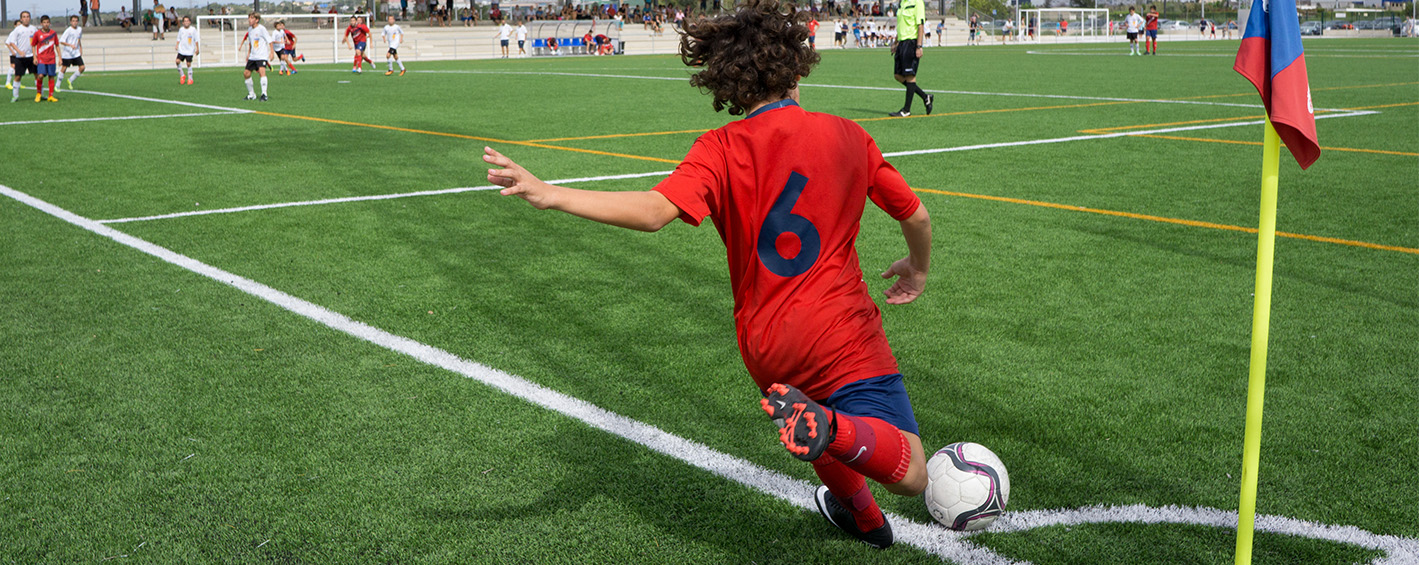
Corners are often treated as a bonus. Smart teams treat them as planned attacks. At youth level, a well-organised corner doesn’t just create goals—it builds confidence, structure, and game understanding. The key isn’t complexity. It’s clarity.
Let’s break it down by format.
7v7: Simplicity, Speed, and Second Balls
In 7v7, space is limited and goalkeepers are often developing. Corners should be quick and decisive. Set up with:
-
One player taking
-
Two attackers in the box (near post and central)
-
One edge-of-box player ready for rebounds
-
One player staying back for protection
Coach near-post runs, low deliveries, and shots from rebounds. Most goals come from scrambles, not perfect headers. Encourage quick corners if defenders switch off.
9v9: Movement Beats Numbers
In 9v9, players start to understand roles. Use:
-
Two attackers starting centrally
-
One late runner from the edge
-
One short-corner option to create a 2v1
-
One player staying back plus a defender halfway
Focus on disguised movement—players starting together then splitting. Teach players to attack different zones: near post, far post, cut-back area. Timing matters more than power.
11v11: Structure, Triggers, and Roles
At 11v11, corners become tactical moments. Assign clear jobs:
-
Screeners to block defenders
-
Attackers targeting zones, not just space
-
One player for short options
-
Two players positioned for defensive balance
Introduce triggers: “When the taker’s hand goes up, we attack.” Coach rehearsed routines but allow freedom—players must read defenders, not robots.
The Big Coaching Win
Corners are a chance to teach:
-
Organisation under pressure
-
Communication and leadership
-
Transition awareness if possession is lost
The best youth teams don’t just hope from corners—they expect. When players know where to stand, when to move, and why it matters, corners stop being a break in play and start becoming an advantage.
Plan them. Coach them. Believe in them.